
Effective WHS Software Supporting Accurate Incident Reporting Across Diverse Business Environments

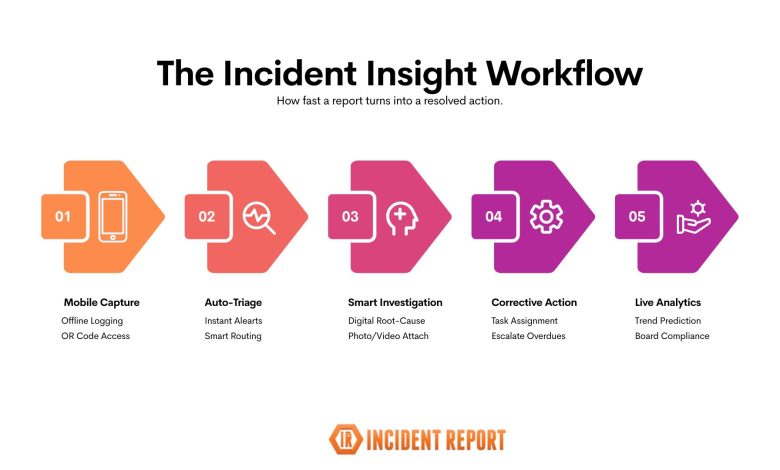
Managing workplace safety requires clear communication and immediate action when problems occur on site. Navigating multiple regulatory standards presents a significant operational hurdle for modern corporate managers trying to protect teams. Implementing an intelligent whs software solution simplifies data collection while ensuring compliance across every branch office. The central goal remains clear: creating automated tracking systems that eliminate human error during critical emergencies. Businesses achieve complete visibility over dangerous conditions by replacing physical paperwork with responsive digital tracking forms. Utilizing the framework of Effective WHS Software Supporting Accurate Incident Reporting Across Diverse Business Environments ensures your workforce stays protected regardless of their physical location.
Simplifying Incident Data Collection for Teams
Gathering accurate information immediately after a workplace accident helps prevention teams identify hazardous operational patterns. Modern tools offer simple mobile interfaces so employees can log injuries from any remote job site instantly. This swift processing minimizes communication gaps between ground staff and corporate risk assessment managers. Ultimately, clean data allows executive leadership to make informed investments in better protective equipment.
Critical Features Needed for Seamless Integration
Deploying specialized tracking systems helps organizations standardize risk documentation across multiple complex workplace settings. The original framework must accommodate various local safety protocols while maintaining a single unified corporate database.
- Centralized dashboards allow instant tracking of open safety investigation files.
- Mobile forms capture high-resolution photos directly from warehouse accident scenes.
- Automated notification systems text team leaders during critical site emergencies.
- Custom user roles protect sensitive medical information regarding injured staff.
- Built-in translation tools assist international crews with logging minor hazards.
- Periodic compliance checks run quietly to flag missing regulatory details.
- Cloud storage provides permanent backup options for all historical logs.
- Scheduled report distribution keeps executive leadership informed about monthly trends.
Breaking Down Barriers in Remote Workplace Settings
Operating across multiple physical environments complicates standard safety enforcement due to fragmented internet access. Modern whs software provides offline functionality, allowing remote workers to log hazards without immediate network connectivity. Once the device syncs with a network, the system uploads saved logs directly to the main database. This capability ensures that isolated industrial teams receive the same technical oversight as central corporate offices.
How Does Better Tracking Reduce Corporate Liability?
Accurate logging founds a clear, fixed timeline of events that proves an organization acted responsibly during an emergency. This truthful record prevents costly legal disputes by representative complete compliance with regional safety orders.
Furthermore, transparent history records protect businesses from unfair price fines issued during random regulatory site inspections. Transparent data shows insurance companies that your enterprise actively eases known operational hazards every single day.
Training Workers for Better System Adoption
Introducing new safety tracking tools requires structured training sessions that highlight ease of use over complex technical waffle. Organizations should design short video lessons showing employees how to submit a hazard report within two minutes. When workers understand the system directly improves their personal physical safety, participation rates increase across all departments. Reliable usage habits turn passive observation into an active corporate culture focused entirely on mutual protection.
Securing Future Operational Continuity Every Day
Protecting your workforce demands dependable management tools designed to handle random real-world operational challenges. Transitioning away from outdated spreadsheets allows submission officers to focus on physical hazard justification rather than boring data entry. This modern operational strategy fosters a culture of transparency where staff members confidently speak up about site dangers. Organizations that order these structured safety frameworks reliably experience higher holding rates and fewer project delays. It builds a strong corporate foundation capable of weathering any monitoring shift.